About This Book
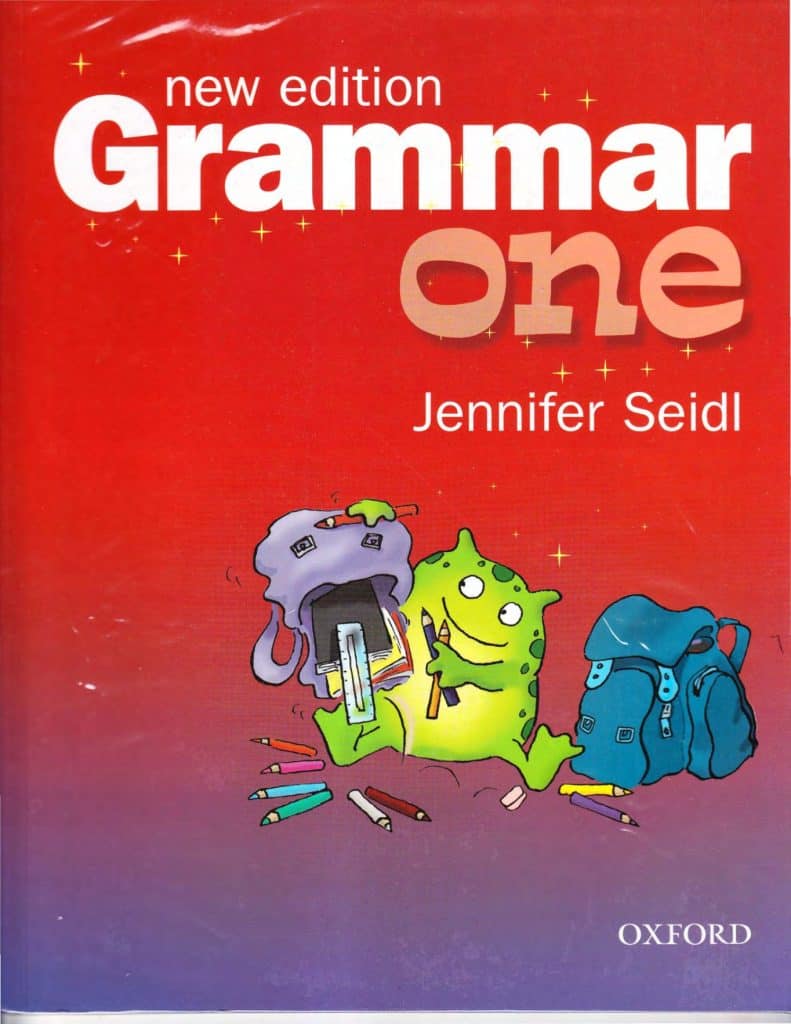
Grammar One is the first numbered volume of its grammar sequence. The destination page is headed with this post’s exact title, and the file it serves, ‘Grammar One.pdf’, carries the same name exactly — the same volume under the filename the site serves it by. The book’s work is the formal beginning: the first floor of English grammar, built at a pace a young learner can climb, in the order the sequence intends.
Numbering is a promise a book makes to a child: there is a One, therefore there is a path, therefore finishing means something. That promise changes how the work feels. Exercises stop being isolated worksheets and become altitude — each finished page is measurably higher than the last — and young learners, who are connoisseurs of measurable progress, respond to exactly that arithmetic. The first numbered volume must therefore protect two things at once: the starter’s gentleness, so the climb never feels like a cliff, and a new seriousness, so the learner feels the dignity of real coursework. Getting that blend right is why sequences outlive single workbooks: the child is not just learning grammar, they are learning that they are the kind of person who completes stages of hard things. Teachers sequencing a year around a One book are really scheduling that identity, one rung at a time. The book also gives parents a legible report: a finished One is evidence anyone can read, no expertise required, and households that can read progress tend to protect the routine that produces it.
What Learners Will Practise
Altitude Awareness
Learners practise feeling progress as measurable height — pages finished, rungs climbed. Children persist at what they can count, and this book makes grammar countable.
Gentleness With Seriousness
The book practises real coursework at a kind pace, the blend a first numbered volume must strike. Dignity without pressure is the exact recipe for young stamina.
Sequence Trust
Readers practise following an order rather than grazing — trusting that the path compounds. Grazing feels free and teaches randomly; sequence feels strict and teaches cumulatively.
Key Features
The numbered path is the feature: grammar as a climb with countable rungs. The kind seriousness is the second — real coursework, gentle pace — and the shelf fit the third, the first rung beside this list’s starter and the sense series. On this shelf it numbers the climb here.
Who This Book Is For
Young learners stepping up from starter material are its first audience. Teachers form its second readership, sequencing a year’s grammar. Parents make its third, watching dabbling become a course.
How to Use This Book
Go in order and finish pages fully; the altitude feeling depends on unbroken ascent. Mark each completed section visibly — a chart on the wall multiplies the book’s psychology. When a rung resists, repeat it cheerfully rather than skipping; the sequence forgives repetition and charges interest on gaps.
Related Books
The doorway volume stands at Grammar Starter, and the sense-series fourth book at Grammar Sense Book 4.